Uganda is a year-round destination
Uganda’s equatorial location gives it a generally warm climate throughout the year. The best month therefore depends less on temperature and more on rainfall, road conditions, wildlife priorities, crowd levels, and the kind of photography you want to do.
The two drier periods—roughly December to February and June to September—are the easiest for classic wildlife viewing and gorilla trekking. The greener months can be quieter, more affordable, and exceptionally beautiful.
June to September: the classic safari season
This is one of the most popular periods for Uganda safaris. Trails are generally drier, vegetation is less dense, and animals gather more predictably near permanent water sources.
- Good conditions for gorilla and chimpanzee trekking
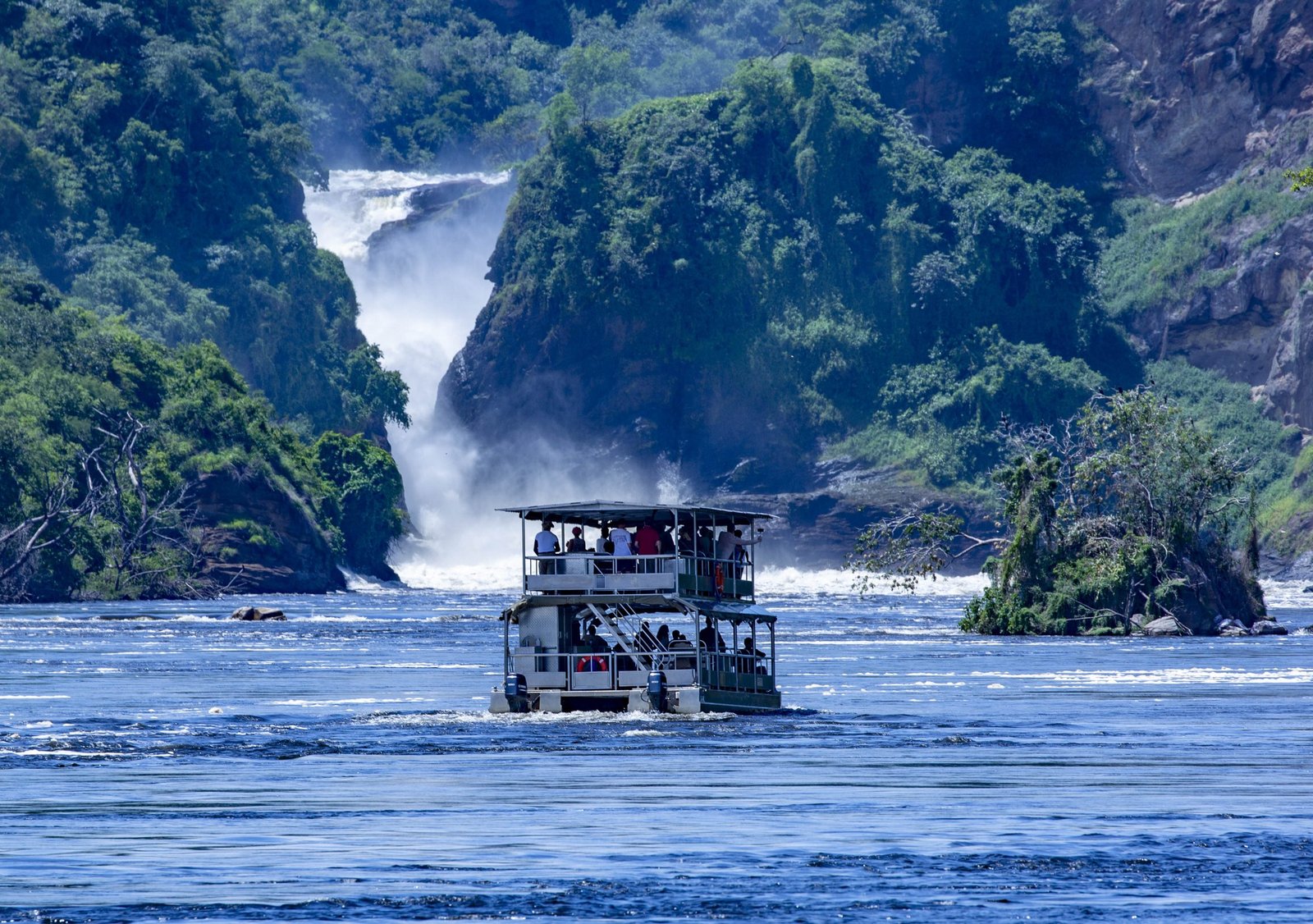
- Strong game viewing in Queen Elizabeth, Murchison Falls and Kidepo
- Comfortable road conditions on multi-park itineraries
- Higher demand for permits and popular lodges
December to February: warm, dry and rewarding
The shorter dry season is excellent for travelers who want sunshine, primate trekking and wildlife viewing without waiting for the middle of the year. Northern parks can be particularly rewarding during this period.
March to May and October to November
Rain usually arrives in bursts rather than continuing all day. Landscapes become vivid, birdlife is excellent, and fewer vehicles can make the experience feel more private. Trekking trails may be muddy and some roads slower, so realistic routing is important.
How to choose your month
Choose June–September or December–February for easier trekking and classic game viewing. Consider the greener months for birding, dramatic scenery, lower visitor numbers and better-value lodge offers. Always reserve gorilla permits before confirming non-refundable flights.
Share this guide
Help another traveler plan with confidence.